Spring Hail Storms in Fort Worth and Water Damage Restoration
Why spring storms leave a mark on Fort Worth roofs
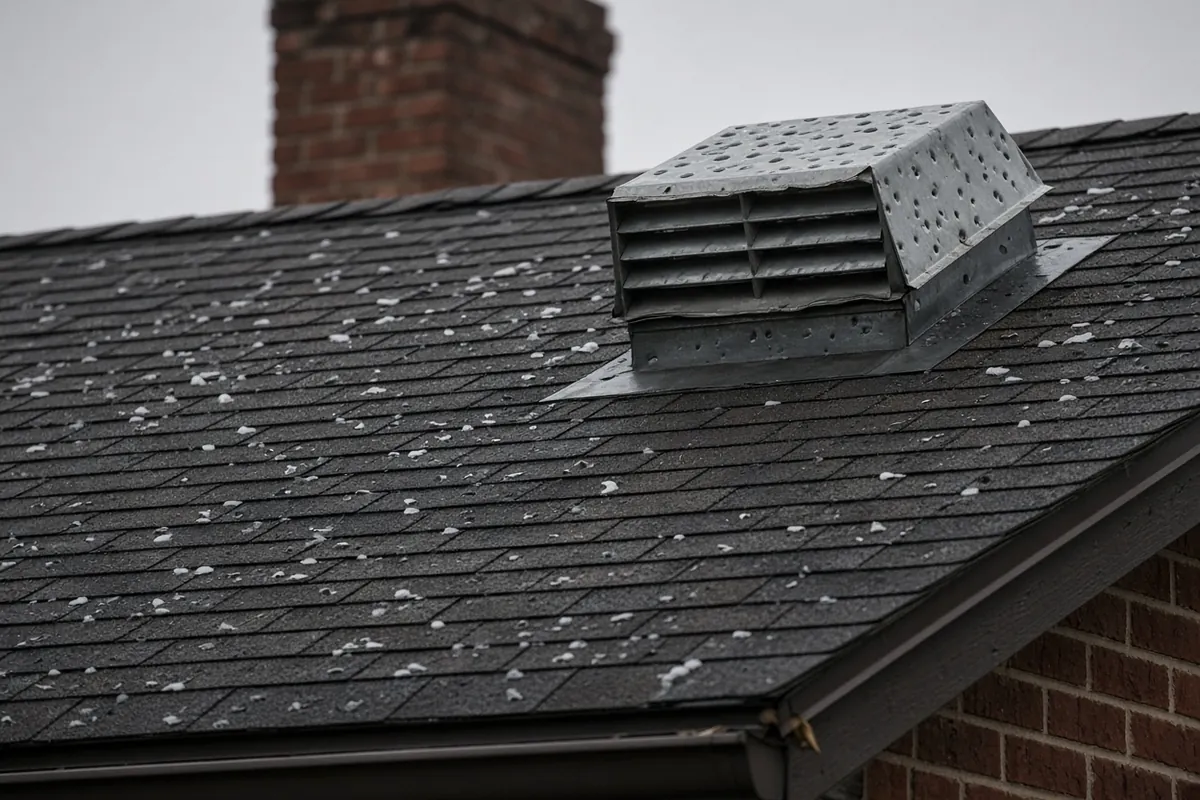
Spring in North Texas brings clashes between warm Gulf moisture and cooler air crossing the plains. Tarrant County lies in that path. Storms can build fast, and hail often falls with them. Asphalt shingles crack or lose granules. Metal vents can dent. Skylight glass and the seals around the frame can split. From the curb the house may look fine while water has already worked under the covering.
Fairmount, Ryan Place, Tanglewood, and Wedgwood hold many older Fort Worth homes. Aged shingles crack more readily when hail hits hard. Hail hits whatever is on the slope, from fresh shingles to plastic vents and skylight curbs.
How a small opening becomes an attic leak
A cracked shingle and a ceiling stain rarely appear on the same afternoon. Water that slips past a shingle or a loose vent boot usually travels before it drips. It runs along the deck, follows a rafter, and wets insulation far from the entry. Residents may see the first yellow or brown ring weeks later, after a lighter rain that a sound roof would have shed.
Older Fort Worth attics are often tight, hot, and filled with blown insulation or batts. Wet fill holds moisture against the wood. Drywall below can soften, sag, or take on a stain that creeps outward. Owners who only check the lawn can miss a slow leak entirely.
What to look for once the sky clears
Homeowners should wait until lightning is gone and water has stopped running off the roof. Step only on joists, never on the gypsum between them. If there is no attic deck, a strong light from the hatch is the safer look.
A useful pass covers these points:
- Granules on the deck or pinholes of daylight
- Dark streaks on rafters and on the sheathing
- Matted or wet insulation under vents and skylights
- Bright gaps at pipe boots and vent openings
- Stains on top of the ceiling in halls, baths, and skylight rooms
- A musty odor that was not there before the storm
From the ground, missing tabs, bald shiny patches, and dented gutters mean the hail was large enough to matter. Binoculars are safer than a ladder on a wet slope. The Insurance Institute for Business and Home Safety publishes hail guidance for homeowners that explains how to distinguish impact marks from ordinary wear, which helps when those photos go to an insurer.
Notes and photos for the insurance claim
Insurers expect evidence, and details fade. Daylight photos outweigh a story told weeks later. Owners should photograph the yard, each slope from the ground, damaged vents, every ceiling stain, and those same spots in the attic.
A short written note helps. Record the storm date, the rooms involved, and the day a stain was first seen. Keep receipts for tarps or fans with the photos. Residents should call the insurer promptly and ask what the policy requires before repairs. Many policies want an inspection before materials are removed. Drying the house while that visit is pending is still wise, so the wet area does not grow.
Drying insulation and drywall early
Wet insulation dries poorly in a sealed attic. Cellulose and fiberglass can hold water against the ceiling for a long time. If one patch is soaked, owners can bag only that portion and save it for the adjuster, once the insurer has been told and has not directed them to leave all of it in place. Dry fill should stay.
When it is safe, open the hatch, run fans, and use the air conditioner to hold indoor humidity down after power is steady. Damp drywall that is still firm often recovers if the leak has stopped and the panel dries quickly. Panels that sag, crumble, or swell at the seams usually need replacement. Coating a damp stain locks moisture in, and the ring tends to return.
A tarp is a temporary cover, not a repair. Standing water on a low porch roof should be cleared the same day if that can be done safely.
When owners should call for help
Widespread cracked shingles, a skylight with a broken seal, or a loose vent boot belong with a roofing contractor. Soaked insulation past a small patch, sagging ceilings, or a musty smell that lingers is a moisture problem in the house itself. In those cases, Fort Worth restoration pros can place drying equipment, check moisture in the drywall and framing, and take out material that will not dry cleanly.
A bulging ceiling needs care. It may be holding a large pocket of water. Poking it without a container and a plan dumps that water into the room. Wet light fixtures are a hard stop. The breaker for that circuit should be off before anyone moves insulation nearby.
Older houses need a lighter hand. Fairmount and Ryan Place homes may still have plaster ceilings. Wet plaster should not be scraped. Tanglewood and Wedgwood roofs often join original sections to later additions, skylights, and replaced vents. Those joints are common leak points after hail.
A sensible order of work
After the storm, keep people safe and confirm the power situation. Look from the ground, then from the hatch. Photograph what is wet and what is only bruised. Notify the insurer. Dry what can be dried without throwing away evidence. Cover openings. Then bring in a roofer, and if the attic or ceilings stayed wet, a crew that dries buildings.
More spring storms will cross North Texas before the season ends. A Fort Worth owner who knows the attic after this storm is better prepared for the next. The aim is a dry deck, dry insulation, and a ceiling that is not still wicking the last storm into the rooms below.