Latest field guides
A field guide for homeowners on storm leaks, frozen pipes, flooded garages and drying out a house the right way.
Spring Hail Storms in Fort Worth and Water Damage Restoration
October 21, 2026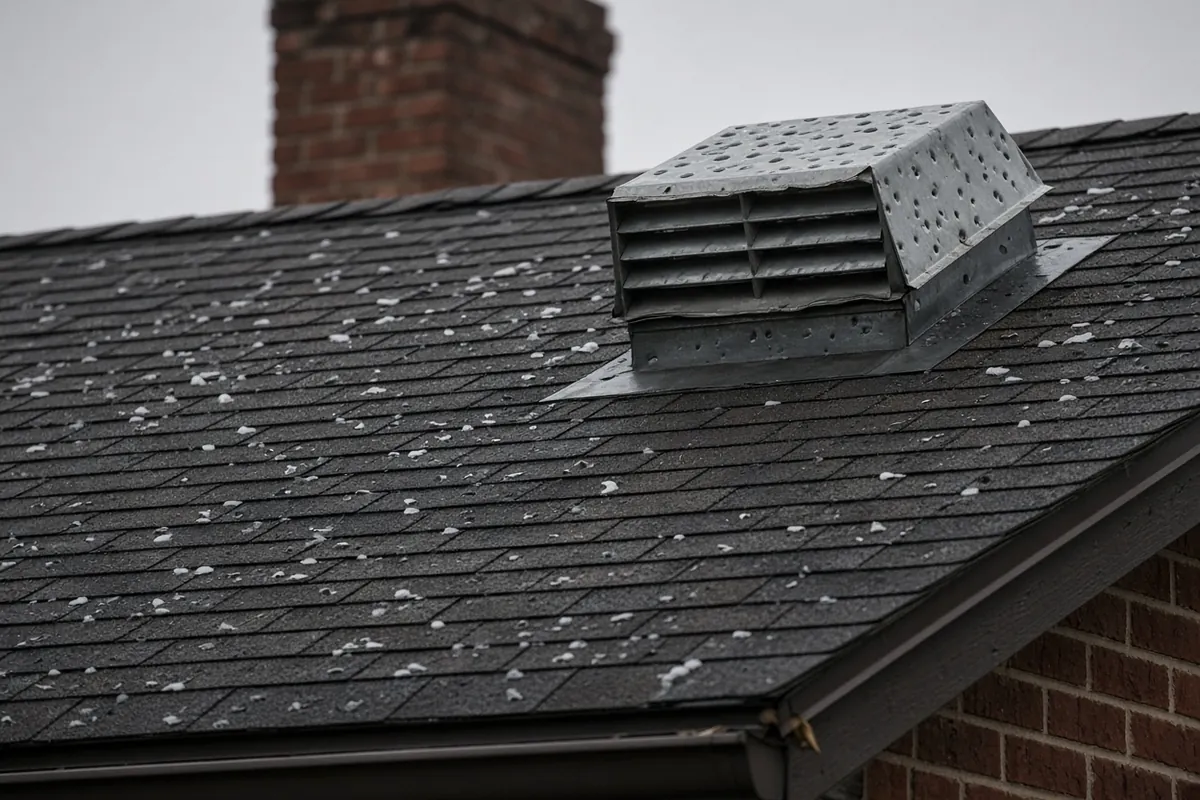
Why spring storms leave a mark on Fort Worth roofs
Spring in North Texas brings clashes between warm Gulf moisture and cooler air crossing the plains. Tarrant County lies in that path. Storms can build fast, and hail often falls with them. Asphalt shingles crack or lose granules. Metal vents can dent. Skylight glass and the seals around the frame can split. From the curb the house may look fine while water has already worked under the covering.
Fairmount, Ryan Place, Tanglewood, and Wedgwood hold many older Fort Worth homes. Aged shingles crack more readily when hail hits hard. Hail hits whatever is on the slope, from fresh shingles to plastic vents and skylight curbs.
How a small opening becomes an attic leak
A cracked shingle and a ceiling stain rarely appear on the same afternoon. Water that slips past a shingle or a loose vent boot usually travels before it drips. It runs along the deck, follows a rafter, and wets insulation far from the entry. Residents may see the first yellow or brown ring weeks later, after a lighter rain that a sound roof would have shed.
Older Fort Worth attics are often tight, hot, and filled with blown insulation or batts. Wet fill holds moisture against the wood. Drywall below can soften, sag, or take on a stain that creeps outward. Owners who only check the lawn can miss a slow leak entirely.
What to look for once the sky clears
Homeowners should wait until lightning is gone and water has stopped running off the roof. Step only on joists, never on the gypsum between them. If there is no attic deck, a strong light from the hatch is the safer look.
A useful pass covers these points:
- Granules on the deck or pinholes of daylight
- Dark streaks on rafters and on the sheathing
- Matted or wet insulation under vents and skylights
- Bright gaps at pipe boots and vent openings
- Stains on top of the ceiling in halls, baths, and skylight rooms
- A musty odor that was not there before the storm
From the ground, missing tabs, bald shiny patches, and dented gutters mean the hail was large enough to matter. Binoculars are safer than a ladder on a wet slope. The Insurance Institute for Business and Home Safety publishes hail guidance for homeowners that explains how to distinguish impact marks from ordinary wear, which helps when those photos go to an insurer.
Notes and photos for the insurance claim
Insurers expect evidence, and details fade. Daylight photos outweigh a story told weeks later. Owners should photograph the yard, each slope from the ground, damaged vents, every ceiling stain, and those same spots in the attic.
A short written note helps. Record the storm date, the rooms involved, and the day a stain was first seen. Keep receipts for tarps or fans with the photos. Residents should call the insurer promptly and ask what the policy requires before repairs. Many policies want an inspection before materials are removed. Drying the house while that visit is pending is still wise, so the wet area does not grow.
Drying insulation and drywall early
Wet insulation dries poorly in a sealed attic. Cellulose and fiberglass can hold water against the ceiling for a long time. If one patch is soaked, owners can bag only that portion and save it for the adjuster, once the insurer has been told and has not directed them to leave all of it in place. Dry fill should stay.
When it is safe, open the hatch, run fans, and use the air conditioner to hold indoor humidity down after power is steady. Damp drywall that is still firm often recovers if the leak has stopped and the panel dries quickly. Panels that sag, crumble, or swell at the seams usually need replacement. Coating a damp stain locks moisture in, and the ring tends to return.
A tarp is a temporary cover, not a repair. Standing water on a low porch roof should be cleared the same day if that can be done safely.
When owners should call for help
Widespread cracked shingles, a skylight with a broken seal, or a loose vent boot belong with a roofing contractor. Soaked insulation past a small patch, sagging ceilings, or a musty smell that lingers is a moisture problem in the house itself. In those cases, Fort Worth restoration pros can place drying equipment, check moisture in the drywall and framing, and take out material that will not dry cleanly.
A bulging ceiling needs care. It may be holding a large pocket of water. Poking it without a container and a plan dumps that water into the room. Wet light fixtures are a hard stop. The breaker for that circuit should be off before anyone moves insulation nearby.
Older houses need a lighter hand. Fairmount and Ryan Place homes may still have plaster ceilings. Wet plaster should not be scraped. Tanglewood and Wedgwood roofs often join original sections to later additions, skylights, and replaced vents. Those joints are common leak points after hail.
A sensible order of work
After the storm, keep people safe and confirm the power situation. Look from the ground, then from the hatch. Photograph what is wet and what is only bruised. Notify the insurer. Dry what can be dried without throwing away evidence. Cover openings. Then bring in a roofer, and if the attic or ceilings stayed wet, a crew that dries buildings.
More spring storms will cross North Texas before the season ends. A Fort Worth owner who knows the attic after this storm is better prepared for the next. The aim is a dry deck, dry insulation, and a ceiling that is not still wicking the last storm into the rooms below.
Water Damage Restoration After a Freeze in Colorado Springs
September 2, 2026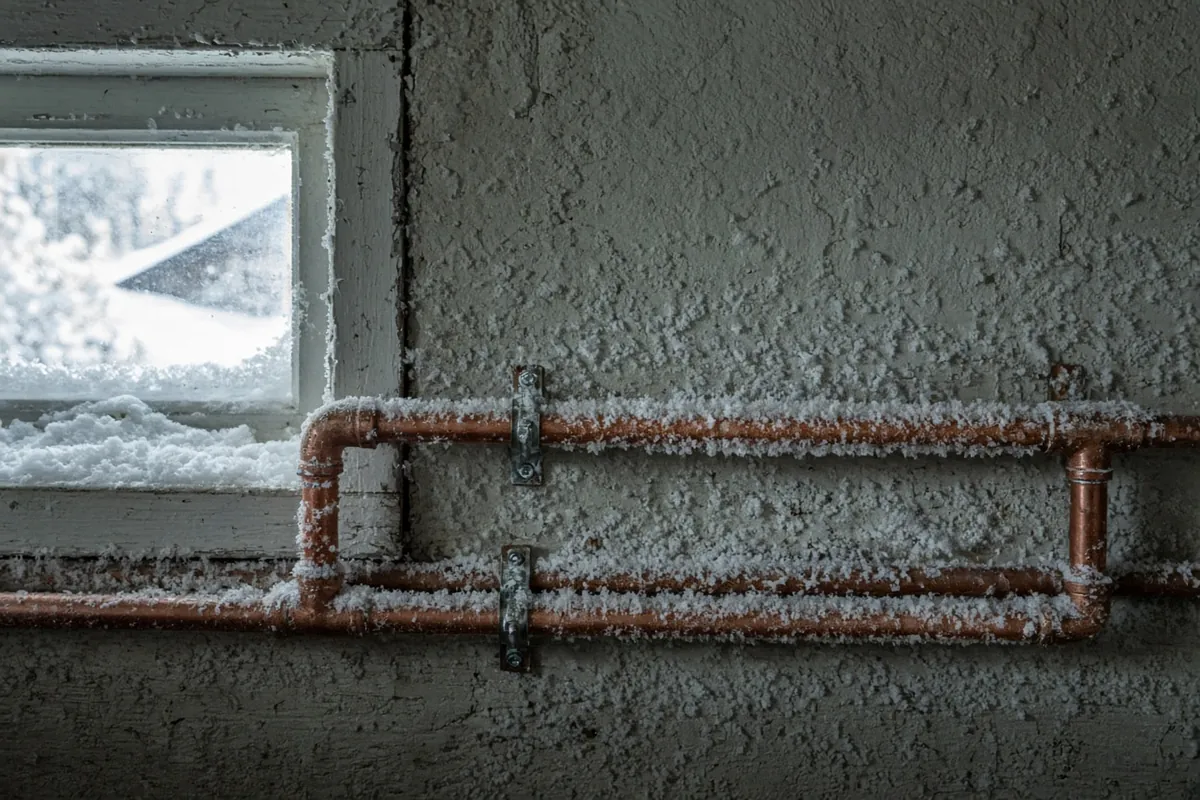
Colorado Springs sits in El Paso County at the base of Pikes Peak, where winter weather can turn quickly. A mild afternoon may be followed by a hard freeze after sunset. That pattern, common along the Front Range, puts household plumbing under stress that many milder climates never see. Homes in Old Colorado City, the Broadmoor area, and Briargate face the same basic risk, even when the houses themselves look very different.
Water freezes at 32 degrees Fahrenheit. When it freezes inside a pipe, it expands. The ice plug can block flow, and pressure between the blockage and a closed faucet can split the pipe. The break is often hidden until the ice thaws and water starts to run. At this elevation, roughly 6,000 feet above sea level, clear nights lose heat fast. A pipe that was safe at noon can be in trouble before morning.
Where pipes freeze first
The most vulnerable lines are the ones with the least heat around them. Exterior walls, especially on the north side, stay colder than interior partitions. Supply lines to sinks on outside walls, hose bibs, and pipes that pass through unheated garages are frequent trouble spots. Crawl spaces under older houses can drop well below the temperature of the living area, particularly if foundation vents are open and the floor above is poorly insulated.
Neighborhood age changes the details, though the physics stay the same. Many homes in Old Colorado City have older plumbing, tight mechanical spaces, and additions that left pipes in cold chases. Houses around the Broadmoor often combine finished living space with garages, utility rooms, and long exterior runs. Newer construction in Briargate is generally better insulated, yet a garage wall, an attic bathroom, or a sprinkler line that was not fully drained can still freeze during a sharp cold snap.
Outdoor hose bibs deserve a separate check. A connected garden hose traps water in the faucet body. Homeowners should disconnect hoses before the first hard freeze, drain what they can, and close interior shutoff valves that serve those bibs when the house has them. Sprinkler systems need a proper winterization blowout by someone equipped to do it. Leaving that system charged through a deep freeze is a common way to crack underground or wall-mounted lines. The American Red Cross publishes guidance on preventing and thawing frozen pipes, including disconnecting hoses and keeping heat around vulnerable lines.
Day to night swings and sudden cold
Colorado Springs is known for large temperature changes between day and night, helped by dry air, strong sun, and elevation. A sunny winter day can warm a south wall while the north wall and the crawl space stay cold. Residents sometimes assume that a warm afternoon means the plumbing is out of danger. It does not. The critical hours are usually overnight, when the furnace cycles, wind picks up, and unprotected pipes lose heat.
Wind makes the problem worse. Cold air driven through gaps around sill plates, rim joists, and garage doors can chill a pipe that sits only inches from heated space. Owners who close crawl space vents in deep winter, seal obvious gaps, and keep garage doors shut during a cold snap reduce that exposure. Insulation on the pipe itself matters, but insulation only slows heat loss. It does not create heat. A line in a space that stays below freezing for many hours can still freeze unless nearby heat, pipe heating cable installed to the product instructions, or a change in the pipe route keeps the water above freezing.
Simple habits before a cold night
- Open cabinet doors under sinks on exterior walls so room air can reach the pipes.
- Let a pencil thin stream of water run from a distant faucet when a hard freeze is forecast. Moving water freezes more slowly than still water.
- Set the thermostat to hold a steady indoor temperature overnight rather than a deep setback.
- Know where the main shutoff is, and make sure every adult in the house can turn it.
- Keep garage doors closed and avoid storing items that block heat from reaching plumbing on garage walls.
Ice dams after snow
Snow on a roof creates a second winter plumbing problem. Heat escaping from the attic can melt snow on the upper roof. Water runs down and refreezes at the colder eaves, forming an ice dam. Meltwater then backs up under shingles and can leak into exterior walls, ceilings, and the very cavities where supply lines often run. That leak may soak insulation and, in a later freeze, chill nearby pipes.
Prevention starts in the attic, not on the roof edge. Adequate insulation and ventilation keep the roof deck colder and more even, so snow is less likely to melt in patches. Residents should keep bathroom and kitchen fans vented outdoors, not into the attic, and avoid piling storage against eaves where it blocks airflow. After a heavy snow, a roof rake used from the ground can pull snow off the lower roof. Climbing a snowy roof is a poor trade. Gutter heat cable, where it is appropriate and installed correctly, can keep a drainage path open at the eave, but it does not fix an under insulated attic.
Ice dam leaks and burst pipes both put water where it does not belong. The dry Front Range climate helps exposed surfaces dry faster than they would in a humid region. Hidden cavities do not get that benefit. Wet insulation, sill plates, and wall voids can stay damp long after the carpet looks fine.
When a pipe bursts
A burst usually announces itself with a drop in water pressure, the sound of running water when every faucet is off, or a stain that spreads across a ceiling. The first move is to shut off the main water valve. Then shut down electricity to any area where water may reach outlets, the panel, or appliances, but only if that can be done without standing in water. If the break is still frozen, leave the faucet open so melting water has a place to go once heat returns.
Homeowners should not use an open flame to thaw a pipe. A hair dryer, a heat lamp kept clear of combustibles, or warm air from the house is safer. If the leak is already active, catch what water can be caught, move furnishings, and lift saturated rugs so the subfloor can be seen. A household shop vacuum removes standing water. It does not dry a wall cavity.
That is the point where many owners call a water mitigation company to pull water from concealed spaces, set air movers, and check moisture in materials that look dry on the surface. Dry indoor air is helpful, and Colorado winters are dry, yet a closed wall can hold enough moisture to swell drywall, corrode metal, and support mold if it is left wet. Proper drying means measuring moisture, opening or directing air into the wet assembly when needed, and confirming that wood and insulation have returned to a normal range before the wall is closed.
After the water stops
- Photograph damage for insurance records before large items are thrown away.
- Note the date, the location of the break, and what was shut off.
- Have a licensed plumber repair or replace the failed section and look for other lines in the same cold zone.
- Replace insulation that stayed wet. Damp fiberglass does not insulate well and can hold odor.
- Fix the condition that allowed the freeze, whether that is a missing pipe wrap, an open crawl space, or a garage line with no heat.
A winter routine that fits this city
Frozen pipe risk in Colorado Springs is less about one dramatic blizzard than about repeated freeze and thaw, wind, and pipes placed in cold pockets. Owners who walk the house once each fall, find the shutoff, disconnect hoses, and note every line in a garage, crawl space, or exterior wall are already ahead of the next cold snap. During a warning, a little heat, a little airflow, and a trickle at the faucet protect far more than they cost in effort.
If water does escape, speed matters, and so does thorough drying. Stopping the flow limits the mess. Checking the hidden path of that water protects the house after the visible puddle is gone. In a city set against Pikes Peak, winter plumbing care is ordinary maintenance, and it belongs on the same list as the furnace filter and the snow shovel by the door.
San Antonio Water Damage Restoration After a Garage Flood
July 15, 2026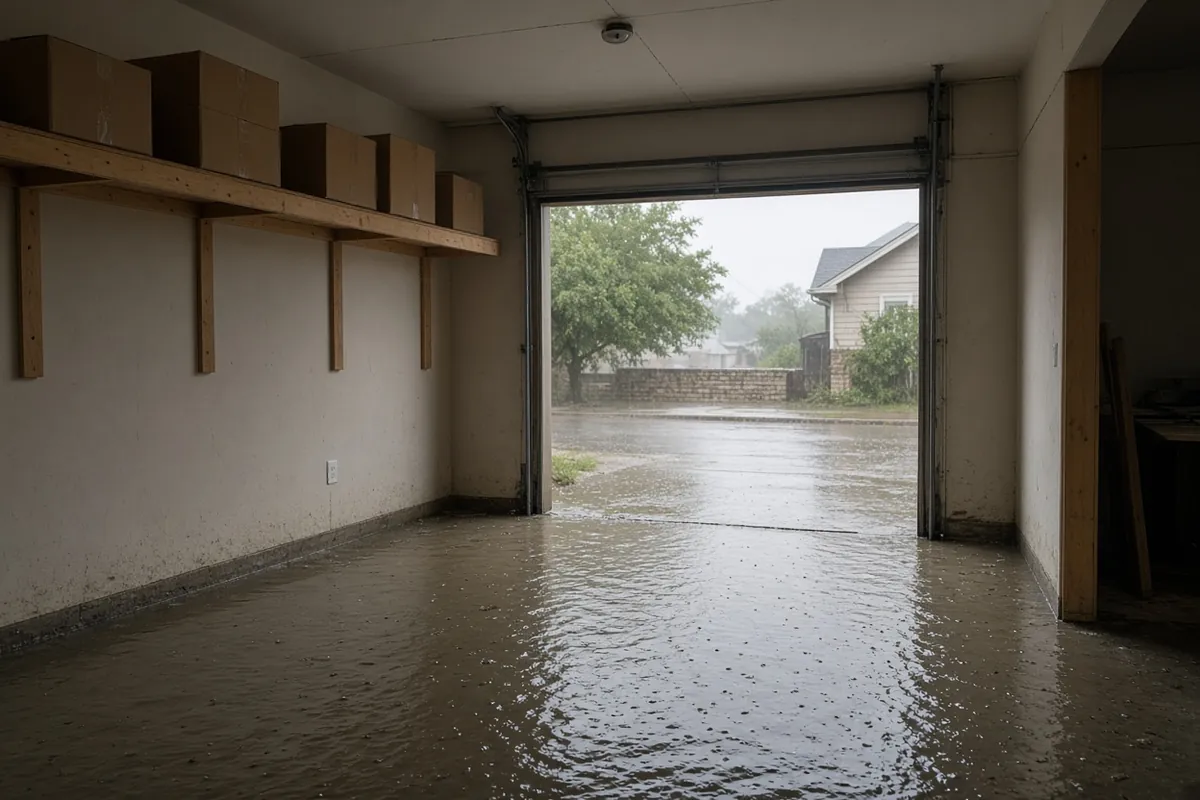
San Antonio sits in Bexar County, where a dry afternoon can turn into a flood emergency within minutes. Storms often drop heavy rain on hard ground and paved streets, and that water moves downhill toward creeks, low spots, and garages. Residents who know the local pattern treat sudden rain as a reason to change plans.
Why low-water crossings flood so fast
Many streets in San Antonio cross creeks at grade. When Salado Creek, Leon Creek, or a smaller tributary rises, the roadway can disappear under fast water while the rest of the neighborhood still looks passable. The National Weather Service campaign Turn Around, Don't Drown exists because vehicles are easily swept once water covers the road. Depth is hard to judge at night, and a familiar route can hide a washed-out section.
Drivers should treat barricades and high-water signs as closed roads. Walking or driving through a flooded crossing puts people and passengers in moving water that can knock a person down or float a car. Waiting on higher ground is the safer choice, even when the delay is inconvenient. The National Weather Service Turn Around Don't Drown page makes the same point: a flooded crossing is not a place to test the depth.
How floodwater reaches houses
Homes in Alamo Heights, Monte Vista, King William, and many other parts of the city sit near older drainage patterns, sloped lots, or streets that sheet water toward driveways. A slab foundation leaves little vertical buffer. Water that ponds against the garage door can seep under the seal, spread across the slab, and soak baseboards, drywall, and stored belongings within a short time.
Sewer backups are a separate problem that can appear during the same storms. When the municipal system or a private line is overwhelmed, wastewater can enter through floor drains, tubs, and toilets. That water is contaminated. Owners should keep people and pets out of affected rooms and avoid using household plumbing until a qualified plumber confirms the line is clear.
The first 48 hours
Safety comes before cleanup. If water is still rising, power is out in standing water, or a gas smell is present, residents should leave and contact emergency services. After the water recedes and the building is safe to enter, owners can start a simple record: photos of each room, notes on where water entered, and a list of wet materials. That record helps later conversations with insurers.
- Move undamaged items to a dry room and lift furniture off wet flooring when it is safe to do so.
- Open windows only when outdoor humidity is lower than indoor humidity. In peak summer, outside air can add moisture.
- Remove standing water with a wet vacuum or a pump rated for the job, and keep cords out of puddles.
- Cut power to wet circuits at the breaker only if the panel is dry and the person doing it understands the panel. Otherwise wait for an electrician.
- Discard porous items that were soaked by sewage, including wet cardboard, open food, and saturated rugs that cannot be professionally cleaned.
- Run bathroom and kitchen exhaust fans if the electrical system is safe.
Drying the structure
San Antonio heat does not guarantee a dry house. Warm air holds moisture, and a closed, humid room can stay wet long after the floor looks dry. Owners should focus on moving air and lowering humidity. Box fans aimed across floors, open interior doors, and a dehumidifier in the closed work area do more than heat alone. Wet drywall that stays soft, carpet pad that stays saturated, and insulation that was underwater usually need removal so the cavity behind them can dry.
Cabinets and built-ins trap moisture against walls. Pulling toe kicks, opening doors, and checking the wall behind the sink can reveal damp spots that a glance at the floor misses. Wood floors may cup days later. A moisture meter, used by a contractor or a prepared homeowner, gives a clearer picture than touch.
When outside help makes sense
If water covered a large area, came from a sewer, or reached wall cavities, many owners call a local firm that handles extraction and structural drying. A practical starting point for San Antonio residents comparing options is waterdamagerestorationsanantoniotx.org, which outlines services for flooded homes. City guidance, insurers, and licensed trades remain part of the same decision.
Mold in humid heat
Mold needs moisture, a food source such as drywall paper or dust, and time. Humid heat in the region gives spores a favorable climate once materials stay damp. Cleaning hard surfaces after they are dry, and discarding materials that stayed wet, reduces the chance of growth. Owners should avoid painting or caulking over damp drywall, because covering moisture traps it.
Household bleach is a weak tool on porous materials. The stain may fade while the material underneath stays wet. Air scrubbers and containment matter more during sewage events and in homes with infants, older adults, or people with asthma. If a musty odor remains after surfaces feel dry, hidden moisture is still likely.
Habits before the next storm
Residents can reduce surprise damage without predicting the next cell of rain. Clear gutters and downspouts so water leaves the foundation. Check that soil and pavement slope away from the slab. Store keepsakes and documents on shelves rather than on the garage floor. Know which streets near home cross Salado Creek, Leon Creek, or other low points, and pick an alternate route before a warning is issued. Keep a flashlight, batteries, and a list of shutoff locations where adults in the household can find them.
After a flood, patience matters. Floors and walls that look fine on day two can still be damp inside. Steady drying, honest disposal of contaminated items, and respect for flooded crossings protect both the house and the people in it.
Moisture Meters and Water Damage Restoration in Tampa
June 3, 2026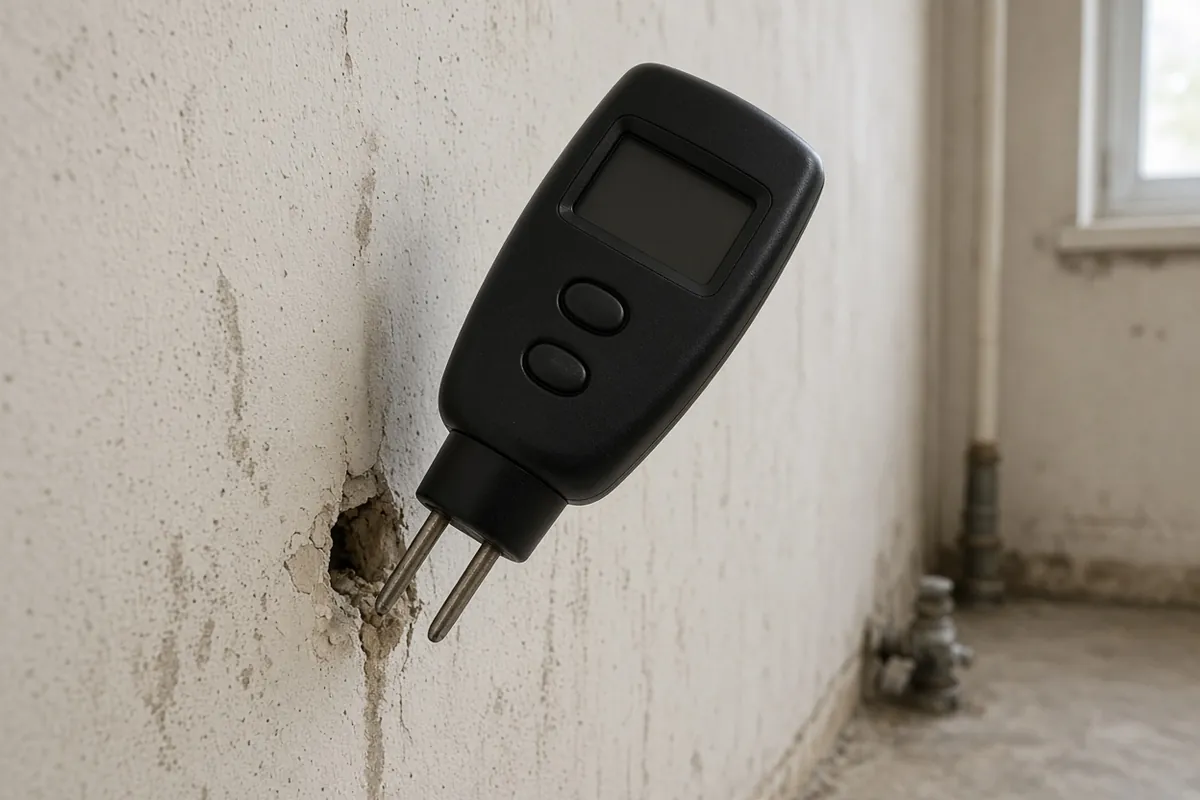
Why a dry surface is not the whole story
After a leak or a flood, a wall can look ordinary while water still sits in the gypsum, the studs, or the subfloor. Restoration crews use moisture meters because touch and sight miss that hidden water. A meter turns an invisible condition into a number a crew can compare from one day to the next. Homeowners who understand pin meters, pinless meters, and the limits of a thermal camera can follow the drying with clearer expectations.
Pin meters
A pin meter has two metal pins. The user presses those pins into the material. The meter sends a small electrical current between the pins and measures resistance. Dry wood and dry gypsum resist that current. Water lowers the resistance, so the display rises as the material gets wetter. Because the pins reach a chosen depth, a crew can compare the face of a board with the core, or check a stud at a small inspection opening. Pins leave tiny holes and sample only the wood or gypsum between the tips.
Pinless meters
A pinless meter works without holes. A sensor pad sends an electromagnetic field into the material and reads how that field changes when moisture is present. The user slides the pad across drywall or a subfloor and watches the numbers move. These meters are fast for scanning large areas and for finding the edge of a wet zone. They read a shallow volume under the pad, not a single deep point. Metal corner bead, foil-backed insulation, wiring, and pipe can nudge the reading. Crews treat a high pinless scan as a reason to look closer, often with a pin meter at a few test points.
What the number means
A number means little until the user knows the material and the scale. Many meters offer a wood scale and a relative scale for drywall. Wood moisture content is the weight of water in the piece compared with the oven-dry weight of that same piece. Above the fiber saturation point, the cell walls hold all the water they can and extra water sits in the cell cavities. Below that point, wood takes on and gives off moisture until it settles near the humidity of the room. Gypsum readings are usually relative: this spot versus a dry spot of the same board. A technician checks an unaffected area of the same material and uses that dry reference when judging progress.
Thermal cameras are a hint
An infrared camera maps surface temperature. It does not measure water. Wet material can look cooler when water is evaporating, so a cool patch can hint that moisture is present. The same cool pattern can come from missing insulation, a draft, a shadow, or a cold pipe. Crews use the image to decide where to place the meter. Confirmation still comes from readings on the material itself.
Drywall, wood framing, and subfloors
Drywall
Paint and the face paper can feel dry while the core stays damp. A pinless scan across the wall shows the outline of the wet area. Pins can show whether moisture is only at the surface or deeper in the board. Seams, the bottom edge above a wet floor, and the area around an outlet are common holding spots, because water follows gravity and small gaps.
Wood framing
Studs, plates, and joists can wick water along the grain even after the room looks clean. End grain at the bottom plate drinks more readily than the face of a stud. Crews check the plate, the lowest inches of the studs, and any wood that sat in standing water. Insulation can hide a wet stud until someone meters the wood directly.
Subfloors
Plywood and oriented strand board often sit under finished flooring that already feels dry. A pinless meter on the finished floor can suggest a problem, but adhesives, vinyl, and tile change the signal. Where access exists from a crawl space or basement, pins in the subfloor give a clearer picture of the wood that must dry. Around tubs, toilets, and exterior doors, crews compare several points so one odd reading does not set the whole plan.
Why the surface fools the hand
Evaporation happens at the exposed face first. Indoor air, fans, and dehumidifiers strip moisture from that face, so paint feels normal. Behind the face, a cavity has less air movement. Insulation holds water, and vapor moves slowly through gypsum and wood. A resident can wipe a wall and feel nothing damp on the same day a meter still flags the cavity. That gap is why crews keep drying equipment in place after the odor fades and the floor looks ready for furniture.
Drying goals and daily readings
Drying goals follow the material and the house. The practical aim is to bring wet materials in line with similar dry materials in the same environment, and to see readings hold steady. Wood should move toward the moisture content it would reach at the room's humidity. Drywall should match the dry reference areas. Crews mark test spots and record them once a day with the same meter and the same mode.
- A falling trend means the assembly is giving up water.
- A flat reading well above the dry reference can mean trapped moisture, a missed layer, or a leak that is still active.
- A rebound after equipment stops suggests the drying reached only the surface.
Moisture, time, and mold risk
Mold needs moisture, a food source such as paper or wood, and time at ordinary indoor temperatures. The longer gypsum and framing stay wet, the more opportunity colonies have to establish. Stopping the water, drying wet materials, and removing items that stayed saturated and cannot be cleaned remain the practical steps. A moisture meter does not name a mold species. It shows where water remains so owners can remove the condition mold needs. Inspectors who use these tools often follow InterNACHI guidance on moisture meters, which covers what pin and pinless readings can and cannot show. When daily readings stay high and wet materials cannot be dried in place, a professional drying crew can open assemblies, set equipment, and keep a log of meter readings until the materials stabilize.