San Antonio Water Damage Restoration After a Garage Flood
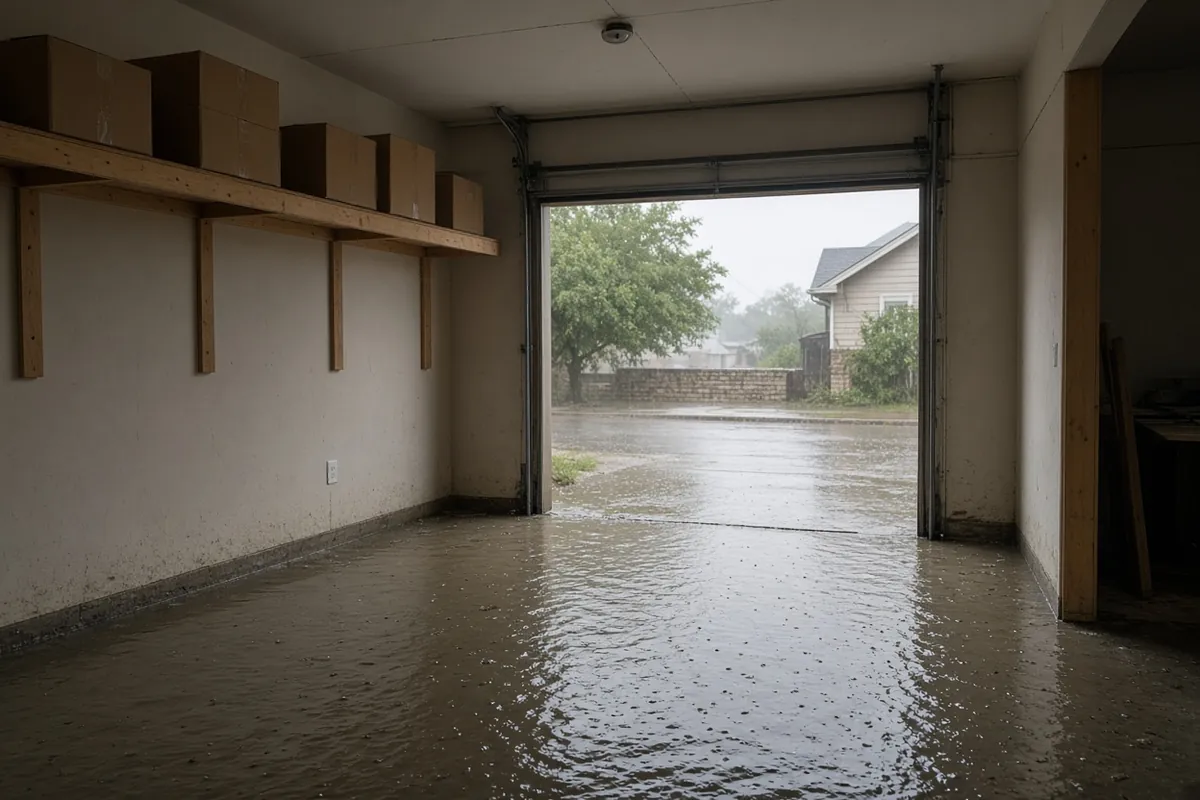
San Antonio sits in Bexar County, where a dry afternoon can turn into a flood emergency within minutes. Storms often drop heavy rain on hard ground and paved streets, and that water moves downhill toward creeks, low spots, and garages. Residents who know the local pattern treat sudden rain as a reason to change plans.
Why low-water crossings flood so fast
Many streets in San Antonio cross creeks at grade. When Salado Creek, Leon Creek, or a smaller tributary rises, the roadway can disappear under fast water while the rest of the neighborhood still looks passable. The National Weather Service campaign Turn Around, Don't Drown exists because vehicles are easily swept once water covers the road. Depth is hard to judge at night, and a familiar route can hide a washed-out section.
Drivers should treat barricades and high-water signs as closed roads. Walking or driving through a flooded crossing puts people and passengers in moving water that can knock a person down or float a car. Waiting on higher ground is the safer choice, even when the delay is inconvenient. The National Weather Service Turn Around Don't Drown page makes the same point: a flooded crossing is not a place to test the depth.
How floodwater reaches houses
Homes in Alamo Heights, Monte Vista, King William, and many other parts of the city sit near older drainage patterns, sloped lots, or streets that sheet water toward driveways. A slab foundation leaves little vertical buffer. Water that ponds against the garage door can seep under the seal, spread across the slab, and soak baseboards, drywall, and stored belongings within a short time.
Sewer backups are a separate problem that can appear during the same storms. When the municipal system or a private line is overwhelmed, wastewater can enter through floor drains, tubs, and toilets. That water is contaminated. Owners should keep people and pets out of affected rooms and avoid using household plumbing until a qualified plumber confirms the line is clear.
The first 48 hours
Safety comes before cleanup. If water is still rising, power is out in standing water, or a gas smell is present, residents should leave and contact emergency services. After the water recedes and the building is safe to enter, owners can start a simple record: photos of each room, notes on where water entered, and a list of wet materials. That record helps later conversations with insurers.
- Move undamaged items to a dry room and lift furniture off wet flooring when it is safe to do so.
- Open windows only when outdoor humidity is lower than indoor humidity. In peak summer, outside air can add moisture.
- Remove standing water with a wet vacuum or a pump rated for the job, and keep cords out of puddles.
- Cut power to wet circuits at the breaker only if the panel is dry and the person doing it understands the panel. Otherwise wait for an electrician.
- Discard porous items that were soaked by sewage, including wet cardboard, open food, and saturated rugs that cannot be professionally cleaned.
- Run bathroom and kitchen exhaust fans if the electrical system is safe.
Drying the structure
San Antonio heat does not guarantee a dry house. Warm air holds moisture, and a closed, humid room can stay wet long after the floor looks dry. Owners should focus on moving air and lowering humidity. Box fans aimed across floors, open interior doors, and a dehumidifier in the closed work area do more than heat alone. Wet drywall that stays soft, carpet pad that stays saturated, and insulation that was underwater usually need removal so the cavity behind them can dry.
Cabinets and built-ins trap moisture against walls. Pulling toe kicks, opening doors, and checking the wall behind the sink can reveal damp spots that a glance at the floor misses. Wood floors may cup days later. A moisture meter, used by a contractor or a prepared homeowner, gives a clearer picture than touch.
When outside help makes sense
If water covered a large area, came from a sewer, or reached wall cavities, many owners call a local firm that handles extraction and structural drying. A practical starting point for San Antonio residents comparing options is waterdamagerestorationsanantoniotx.org, which outlines services for flooded homes. City guidance, insurers, and licensed trades remain part of the same decision.
Mold in humid heat
Mold needs moisture, a food source such as drywall paper or dust, and time. Humid heat in the region gives spores a favorable climate once materials stay damp. Cleaning hard surfaces after they are dry, and discarding materials that stayed wet, reduces the chance of growth. Owners should avoid painting or caulking over damp drywall, because covering moisture traps it.
Household bleach is a weak tool on porous materials. The stain may fade while the material underneath stays wet. Air scrubbers and containment matter more during sewage events and in homes with infants, older adults, or people with asthma. If a musty odor remains after surfaces feel dry, hidden moisture is still likely.
Habits before the next storm
Residents can reduce surprise damage without predicting the next cell of rain. Clear gutters and downspouts so water leaves the foundation. Check that soil and pavement slope away from the slab. Store keepsakes and documents on shelves rather than on the garage floor. Know which streets near home cross Salado Creek, Leon Creek, or other low points, and pick an alternate route before a warning is issued. Keep a flashlight, batteries, and a list of shutoff locations where adults in the household can find them.
After a flood, patience matters. Floors and walls that look fine on day two can still be damp inside. Steady drying, honest disposal of contaminated items, and respect for flooded crossings protect both the house and the people in it.