Water Damage Restoration After a Freeze in Colorado Springs
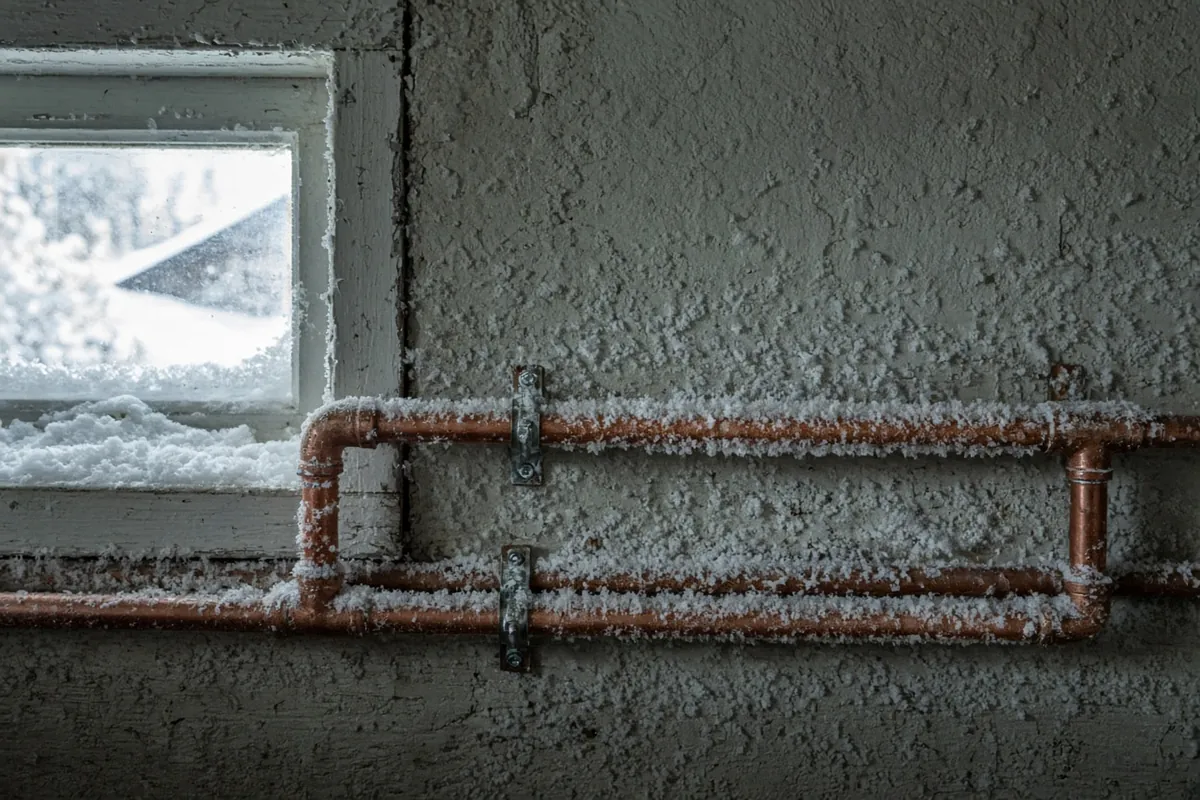
Colorado Springs sits in El Paso County at the base of Pikes Peak, where winter weather can turn quickly. A mild afternoon may be followed by a hard freeze after sunset. That pattern, common along the Front Range, puts household plumbing under stress that many milder climates never see. Homes in Old Colorado City, the Broadmoor area, and Briargate face the same basic risk, even when the houses themselves look very different.
Water freezes at 32 degrees Fahrenheit. When it freezes inside a pipe, it expands. The ice plug can block flow, and pressure between the blockage and a closed faucet can split the pipe. The break is often hidden until the ice thaws and water starts to run. At this elevation, roughly 6,000 feet above sea level, clear nights lose heat fast. A pipe that was safe at noon can be in trouble before morning.
Where pipes freeze first
The most vulnerable lines are the ones with the least heat around them. Exterior walls, especially on the north side, stay colder than interior partitions. Supply lines to sinks on outside walls, hose bibs, and pipes that pass through unheated garages are frequent trouble spots. Crawl spaces under older houses can drop well below the temperature of the living area, particularly if foundation vents are open and the floor above is poorly insulated.
Neighborhood age changes the details, though the physics stay the same. Many homes in Old Colorado City have older plumbing, tight mechanical spaces, and additions that left pipes in cold chases. Houses around the Broadmoor often combine finished living space with garages, utility rooms, and long exterior runs. Newer construction in Briargate is generally better insulated, yet a garage wall, an attic bathroom, or a sprinkler line that was not fully drained can still freeze during a sharp cold snap.
Outdoor hose bibs deserve a separate check. A connected garden hose traps water in the faucet body. Homeowners should disconnect hoses before the first hard freeze, drain what they can, and close interior shutoff valves that serve those bibs when the house has them. Sprinkler systems need a proper winterization blowout by someone equipped to do it. Leaving that system charged through a deep freeze is a common way to crack underground or wall-mounted lines. The American Red Cross publishes guidance on preventing and thawing frozen pipes, including disconnecting hoses and keeping heat around vulnerable lines.
Day to night swings and sudden cold
Colorado Springs is known for large temperature changes between day and night, helped by dry air, strong sun, and elevation. A sunny winter day can warm a south wall while the north wall and the crawl space stay cold. Residents sometimes assume that a warm afternoon means the plumbing is out of danger. It does not. The critical hours are usually overnight, when the furnace cycles, wind picks up, and unprotected pipes lose heat.
Wind makes the problem worse. Cold air driven through gaps around sill plates, rim joists, and garage doors can chill a pipe that sits only inches from heated space. Owners who close crawl space vents in deep winter, seal obvious gaps, and keep garage doors shut during a cold snap reduce that exposure. Insulation on the pipe itself matters, but insulation only slows heat loss. It does not create heat. A line in a space that stays below freezing for many hours can still freeze unless nearby heat, pipe heating cable installed to the product instructions, or a change in the pipe route keeps the water above freezing.
Simple habits before a cold night
- Open cabinet doors under sinks on exterior walls so room air can reach the pipes.
- Let a pencil thin stream of water run from a distant faucet when a hard freeze is forecast. Moving water freezes more slowly than still water.
- Set the thermostat to hold a steady indoor temperature overnight rather than a deep setback.
- Know where the main shutoff is, and make sure every adult in the house can turn it.
- Keep garage doors closed and avoid storing items that block heat from reaching plumbing on garage walls.
Ice dams after snow
Snow on a roof creates a second winter plumbing problem. Heat escaping from the attic can melt snow on the upper roof. Water runs down and refreezes at the colder eaves, forming an ice dam. Meltwater then backs up under shingles and can leak into exterior walls, ceilings, and the very cavities where supply lines often run. That leak may soak insulation and, in a later freeze, chill nearby pipes.
Prevention starts in the attic, not on the roof edge. Adequate insulation and ventilation keep the roof deck colder and more even, so snow is less likely to melt in patches. Residents should keep bathroom and kitchen fans vented outdoors, not into the attic, and avoid piling storage against eaves where it blocks airflow. After a heavy snow, a roof rake used from the ground can pull snow off the lower roof. Climbing a snowy roof is a poor trade. Gutter heat cable, where it is appropriate and installed correctly, can keep a drainage path open at the eave, but it does not fix an under insulated attic.
Ice dam leaks and burst pipes both put water where it does not belong. The dry Front Range climate helps exposed surfaces dry faster than they would in a humid region. Hidden cavities do not get that benefit. Wet insulation, sill plates, and wall voids can stay damp long after the carpet looks fine.
When a pipe bursts
A burst usually announces itself with a drop in water pressure, the sound of running water when every faucet is off, or a stain that spreads across a ceiling. The first move is to shut off the main water valve. Then shut down electricity to any area where water may reach outlets, the panel, or appliances, but only if that can be done without standing in water. If the break is still frozen, leave the faucet open so melting water has a place to go once heat returns.
Homeowners should not use an open flame to thaw a pipe. A hair dryer, a heat lamp kept clear of combustibles, or warm air from the house is safer. If the leak is already active, catch what water can be caught, move furnishings, and lift saturated rugs so the subfloor can be seen. A household shop vacuum removes standing water. It does not dry a wall cavity.
That is the point where many owners call a water mitigation company to pull water from concealed spaces, set air movers, and check moisture in materials that look dry on the surface. Dry indoor air is helpful, and Colorado winters are dry, yet a closed wall can hold enough moisture to swell drywall, corrode metal, and support mold if it is left wet. Proper drying means measuring moisture, opening or directing air into the wet assembly when needed, and confirming that wood and insulation have returned to a normal range before the wall is closed.
After the water stops
- Photograph damage for insurance records before large items are thrown away.
- Note the date, the location of the break, and what was shut off.
- Have a licensed plumber repair or replace the failed section and look for other lines in the same cold zone.
- Replace insulation that stayed wet. Damp fiberglass does not insulate well and can hold odor.
- Fix the condition that allowed the freeze, whether that is a missing pipe wrap, an open crawl space, or a garage line with no heat.
A winter routine that fits this city
Frozen pipe risk in Colorado Springs is less about one dramatic blizzard than about repeated freeze and thaw, wind, and pipes placed in cold pockets. Owners who walk the house once each fall, find the shutoff, disconnect hoses, and note every line in a garage, crawl space, or exterior wall are already ahead of the next cold snap. During a warning, a little heat, a little airflow, and a trickle at the faucet protect far more than they cost in effort.
If water does escape, speed matters, and so does thorough drying. Stopping the flow limits the mess. Checking the hidden path of that water protects the house after the visible puddle is gone. In a city set against Pikes Peak, winter plumbing care is ordinary maintenance, and it belongs on the same list as the furnace filter and the snow shovel by the door.